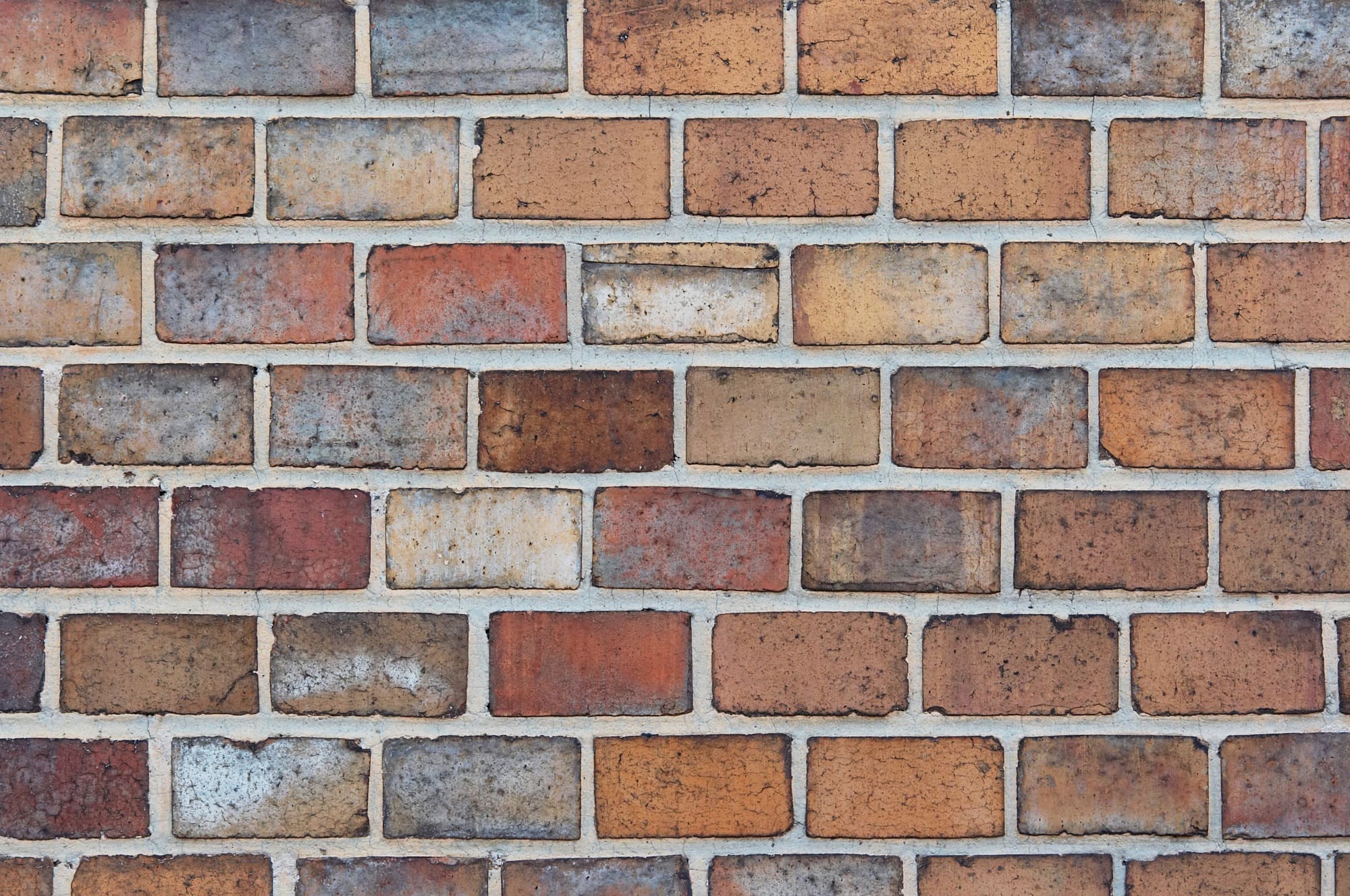
Hairline crack, stairstep crack, or a full-on yawning gap—whatever you call it, damaged brickwork is one of those niggles landlords leave for “next quarter’s budget.” Trouble is, water doesn’t wait. It seeps, freezes, expands, and before you know it the pointing crumbles like a stale pork pie. Today we’ll cover the ABCs of brickwork cracks, how to spot trouble early, and why a modest repoint this summer beats a costly rebuild down the line.
1. The Anatomy of a Crack — What’s Normal, What’s Not
Hairline shrinkage cracks: Common in new builds as fresh mortar cures. Monitor but don’t panic.
Stairstep cracks: Zig-zag through mortar joints, usually in older terraces. Signal movement or weathering; repoint before gaps widen.
Vertical separations: Straight up and down, often where two extensions meet. May need helical ties plus repointing.
Snap a photo ruler-in-frame every three months. If a 1 mm gap grows to 3 mm, phone a pro. Our Brickwork team keeps digital crack gauges in the van so you get hard data, not guesswork.
2. Why Yorkshire Weather Hates Poor Pointing
For half the year we’re battered by driving rain; the other half swings between frost and surprise heatwaves. Wet mortar joints suck in moisture, then freeze overnight, prising bricks apart like a crowbar. Leave it, and you’ll soon face internal damp, peeling paint, and even joist rot—cue our Decorator guide to mask the stains you could have prevented.
3. Repoint vs Rebuild — Cost Showdown
| Repair Scope | Average Cost* (per m²) | Downtime |
|---|---|---|
| Traditional lime-mortar repoint | £45 | None – scaffold stays outside |
| Helical bar crack-stitch + repoint | £110 | 1–2 days |
| Full outer-leaf rebuild | £280+ | Up to 2 weeks, interior exposed |
*2025 Yorkshire averages, ex-VAT; prices leap 15 % once frost season starts.
Short version? Every pound spent on timely repointing saves roughly £4 in later rebuild costs—not counting rent lost during scaffold and skip chaos.
4. DIY Checks You Can Do with One Finger (and a Key)
- Rake test: Drag a house-key across the mortar. If it powders, it’s past it.
- Tap test: Flick bricks with your knuckle. A dull thud means moisture or voids lurking.
- Weep-hole watch: Blocked vents above DPC? Clear them now or risk hidden damp—link nicely with our drain maintenance tips.
Spot failure on more than 20 % of a wall? Call in pros; patch-pointing small areas on a tired façade rarely blends and often fails again within a year.
5. The Repointing Process in Plain English
- Rake out 20–25 mm of old mortar with dust-extraction chaser.
- Flush joints with low-pressure water to kick out debris.
- Pack fresh lime or NHL mortar, matching original colour—critical for listed buildings.
- Tool finish (concave or flush) to shed water.
- Soft-wash clean-down after 24 h; harsh jetting ruins new joints.
Our multi-trade vans carry both masonry and TÜV-rated low-dust grinders, so neighbours stay friendlier than if you rent a klaxon-loud disc cutter.
6. Bundling Upgrades: Stretch That Scaffold Spend
Scaffold is 30 – 40 % of project cost. While it’s up:
- Replace flaky render bands—cue Budget Renovations for low-cost kerb appeal.
- Clean gutters; pair with our summer plumbing checks to prevent wall soak-back.
- Swap cracked roof tiles found in Sun-Crack Roof guide.
Doing the lot in one scaffold hire can shave 25 % off combined quotes.
7. Red-Flag Scenarios—Call a Brickie Today
- Crack wider than a pound coin edge (< 3 mm) or letting daylight through.
- Bulging or bowed walls—means core ties failed or rot to inner leaf.
- Mortar falling in chunks after frost; sign of sulphate attack.
- Internal damp despite intact DPC—moisture wicking through compromised joints.
If you hit any of these, skip the DIY bucket of ready-mix; call us for structural assessment and, if needed, tie-bar installation before you lose an entire wall.
In a Nutshell—Pay Pennies Now or Pounds Later
Brickwork is your building’s overcoat. Ignore small tears and soon you’re stitching new panels in a gale. A summer repoint takes days, costs a fraction, and locks out Yorkshire’s horizontal rain for decades. Book through our contact page—choose Brickwork MOT—and we’ll swing by with moisture meters, colour-matched mortar, and a scaff older who actually turns up on time.
Future you (and your tenants) will thank you when the walls stay dry, the heating bills stay low, and scaffolding stays a story on someone else’s street.